Bottleneck 101: Wayfinding, Ingress and Egress

Kees Sultan
Responsable de marque
Productivité
/
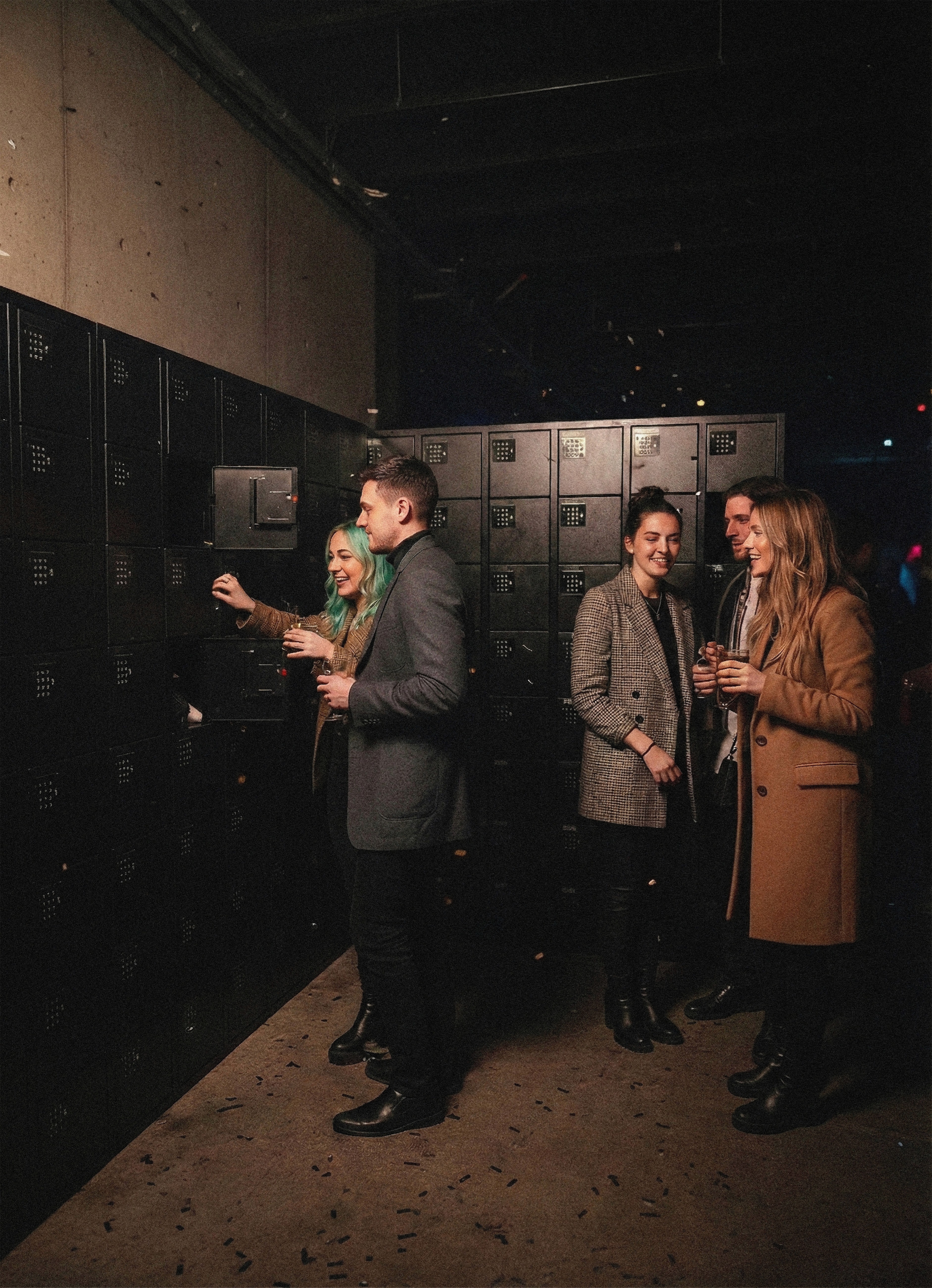
Queues do more than frustrate visitors. They create safety risks, increase staff pressure and reduce the overall event experience. For organisers, poor flow design can undo months of careful planning in just a few peak moments.Ingress, egress and wayfinding are not secondary operational details. They are the backbone of a safe, efficient and scalable venue strategy.Here is how to rethink crowd flow and eliminate bottlenecks inside your venue.1. Design Ingress as a Flow, Not a FunnelIngress is the first physical touchpoint of your event. When entry points are treated as funnels instead of distributed flows, congestion is almost guaranteed.To optimise ingress:Separate ticket scanning, security checks and storage zonesAvoid placing cloakrooms or lockers directly at the entranceProvide clear visual cues before visitors reach decision pointsUse multiple smaller entry streams instead of one large gateWhen guests can move continuously rather than stopping at each step, queues reduce dramatically.Peak arrival windows are predictable. Your layout should be built around that reality, not against it.2. Make Wayfinding Effortless and IntuitiveConfusion creates congestion. The moment visitors stop to look around, check their phones or ask staff for directions, flow slows down.Strong wayfinding should:Use large, high-contrast signage visible from a distanceAvoid information overloadClearly separate directions for toilets, bars, exits and storageUse lighting to subtly guide movementThe goal is intuitive navigation. Visitors should never need to guess where to go next.Digital screens, floor markings and colour-coded zones can also help distribute crowds evenly across the venue rather than concentrating them in one area.3. Remove Friction Points That Trigger QueuesBottlenecks typically form at predictable friction points:Storage areasBars and payment stationsRestroomsMerch standsNarrow corridors or doorwaysStart by mapping where visitors must stop. Then ask: can this stop be shortened, decentralised or eliminated?For example:Self-service storage solutions reduce staff-mediated delaysCashless systems speed up bar transactionsWider exit routes prevent post-show congestionMultiple smaller bar setups outperform one large central barEvery second saved per visitor multiplies across hundreds or thousands of attendees.4. Plan Egress Before the Event StartsMany venues focus heavily on entry but underestimate exit strategy. Egress is when crowd density peaks and fatigue increases. That combination requires thoughtful design.Effective egress planning includes:Clearly illuminated and well-marked exitsMultiple exit points that distribute flowClear separation between those retrieving belongings and those leaving directlyStaff positioned for guidance, not obstructionWhen exits are obvious and accessible, visitors move confidently and quickly.This is not only about comfort. It is about safety and compliance.5. Separate Storage From Circulation RoutesStorage areas, whether traditional cloakrooms or smart lockers, often become congestion hotspots because they sit directly along primary circulation paths.To prevent this:Position storage slightly off the main walking routesAllow space for people to open lockers without blocking movementAvoid placing storage near emergency exitsCreate natural flow loops instead of dead endsSelf-service systems can significantly reduce crowd build-up because multiple users can retrieve items simultaneously rather than waiting in sequence.6. Use Data and Observation to Continuously ImproveCrowd flow is measurable. Entry times, peak bar traffic, locker usage and exit patterns all provide valuable insights.After each event, ask:Where did people stop unexpectedly?At what time did queues peak?Which areas felt overcrowded?Where did staff intervene most often?Small layout adjustments can produce large results in the next edition.Flow optimisation is iterative, not static.7. Think in Movement Patterns, Not DepartmentsOperations, security, hospitality and production often plan separately. But visitors experience your venue as one continuous journey.Instead of planning per department, map the full visitor lifecycle:ArrivalStorageExplorationPeak momentsDepartureWhere paths intersect, friction occurs. Designing for movement patterns instead of isolated functions prevents those collisions.The Outcome: A Safer, More Scalable VenueEliminating queues is not about speed alone. It is about:Reducing stressImproving safetyIncreasing spending opportunitiesEnhancing overall satisfactionSupporting operational efficiencyStrong wayfinding, thoughtful ingress and well-designed egress transform the entire event experience.When visitors can move freely, they feel comfortable. When they feel comfortable, they stay longer, spend more and return again.Flow is not invisible infrastructure. It is one of the most powerful tools an organiser has.If you want to modernise your venue strategy, start by redesigning how people move through it.